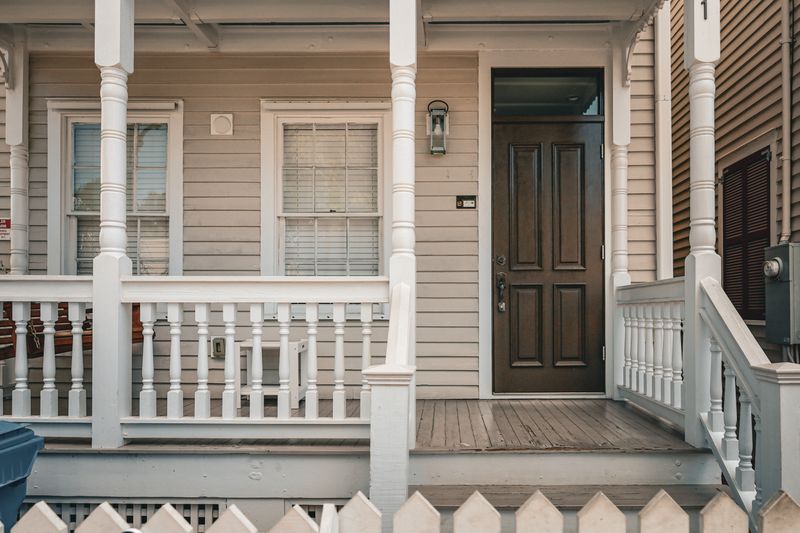
Water heater repair in McDonough Historic District is a different job from repair in a new subdivision. The core around the 1823 courthouse square holds some of the oldest houses in town, and an older house hides its water heater problems in places a newer one does not: crawl spaces, tight utility closets, ageing shutoffs and venting that was added long after the walls went up.
The call goes to someone who knows older in-town houses, and a pro is sent the same day where available. You hear the options and the upfront price before any work begins.
The homes around the courthouse square
The courthouse square is now a National Register district, and the streets around it carry houses from several eras. The Griffin, Keys Ferry and Macon Street corridors include some of the oldest, from the 19th and early 20th centuries, while the nearby streets add mid-century houses with a quite different build.
Lots and layouts are mixed. Additions, enclosed porches and remodelled kitchens mean a heater may have been moved at least once, and no two houses repeat the same plan. In ZIP 30253 these homes tend to have gas heaters and crawl spaces more often than the newer subdivisions do, so a heater might sit in a utility closet, a basement or a crawl space, sometimes in an addition built long after the original house.
That variety is the reason the pro starts by asking where your heater is and how old the house is, rather than assuming.
Water heater repair in McDonough Historic District: what usually goes wrong
Older houses and older heaters share a set of habits, and the pro knows them well.
- Slow leaks in hidden places. In a crawl space, a leaking water heater can drip for a long time before anyone sees it, and the first sign may be damp wood or a musty smell.
- Shutoff valves that no longer shut. A valve that has not turned in years can seize or weep when it is asked to close.
- Venting that has been altered. A gas heater sharing an old chimney or flue may have draft problems that no one has looked at since the last heater went in.
- Corrosion on fittings and connectors. Moisture in a crawl space or basement speeds up rust, and rusted fittings are common leak points.
- Sediment in older tanks. A tank that has run for years collects it, which shows up as noise, lukewarm water or hot water that runs out quickly.
Heater in a crawl space or basement? Tell a person where it sits and what you notice.
Talk to a local water heater techWhat the technician checks first in an older house
The pro starts with the building as much as the heater. The order tends to run like this:
- Where the heater sits, how to reach it and whether anything blocks the way.
- The label, for the model, fuel and age.
- Shutoff valves and connectors, for corrosion, seepage or valves that will not close.
- On a gas heater, the flue, the draft and the pilot and burner area, without relighting anything by hand.
- The relief valve and its discharge pipe, and whether either is rusted or blocked.
- The surrounding structure for moisture, rot or past leaks.
Then you hear what was found and what the options are, with the price, before any work begins.
The call, from the courthouse square to your door
You phone, and a person answers at any hour. They ask what you are seeing, whether the heater runs on gas or electric, and roughly where it sits and how old it is. If water is involved, they tell you the safe steps while you wait, and nothing more than that.
A pro who covers the area is sent, the same day where available. At the house, they look first, then explain. If the answer is a repair, they say so and what it involves. If it is a replacement, the sizing, venting and placement are talked through, and you decide with the full picture. Only then does work begin.
Replacing a water heater near the courthouse square, and the tankless question
When a tank is past repair, water heater replacement in McDonough Historic District is more than a swap. Access, a tighter space and an old vent can all change what is possible. The steps are set out on our water heater installation page, and the pro adapts them to the house.
Owners often ask about a tankless water heater in McDonough Historic District. It can work, but wall space, venting and the gas supply have to support it, and an older house sometimes cannot always do that easily. The pro tells you plainly when it is a good fit and when it is not.
Streets and subdivisions around the square
West of the square, along the Jonesboro Road corridor, newer slab-on-grade homes have a different set of issues, covered under water heater repair in Avalon. On the east side near Lake Dow Road, water heater repair in Symphony Park explains what recent builds with electric heaters need. Out on the brick ranches of the 1970s and 80s, Burke-Rainer has its own set of older-tank questions.
If you are not sure which page matches your house, call and ask. Streets blend into each other in this part of town.