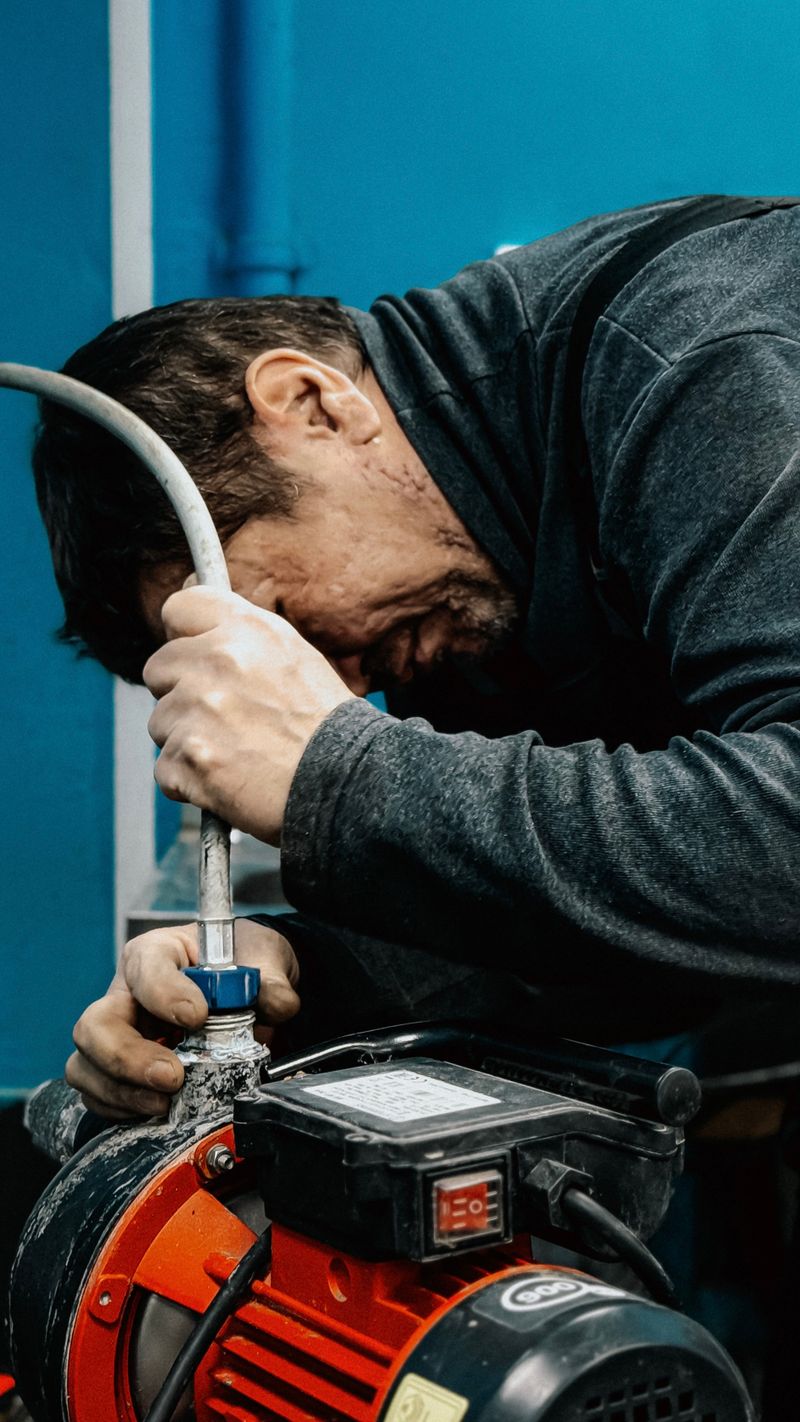
A tankless water heater in McDonough heats water only when you open a tap, so there is no storage tank to run out. Whether that suits your house depends on a few things the pro checks first: the gas line or electrical supply, the venting, and how much hot water you use at once.
Call and describe your home, and we connect you with an experienced local pro who explains the options and the upfront price before any work begins. McDonough has everything from older homes near the courthouse square to new subdivisions with garages and slab floors, and each handles a conversion differently.
This page explains what to expect, from how the unit works to repairs and yearly care.
How a tankless water heater works
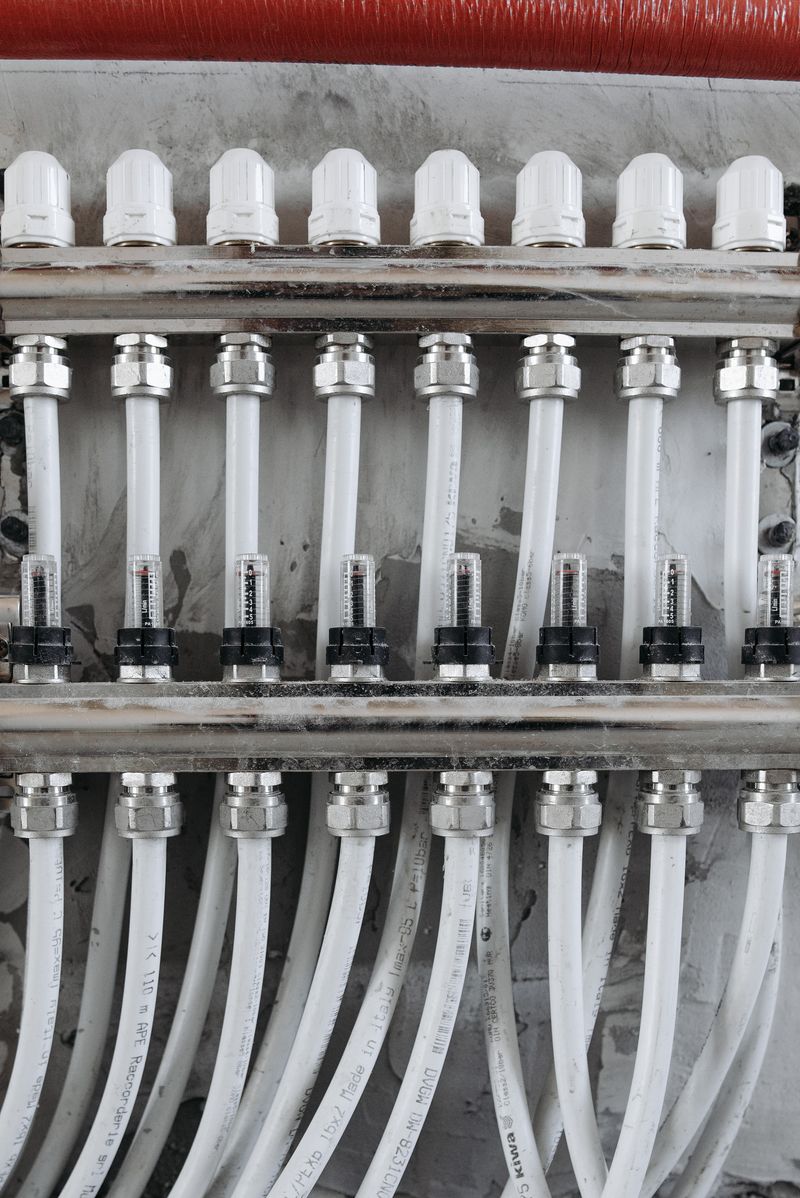
When you open a hot tap, a flow sensor notices the water moving and the unit fires. On a gas model a burner heats a heat exchanger, and on an electric model heating elements do the job. The water is warmed as it passes through, and the unit shuts off when the tap closes.
Two ideas explain most of what you need to know. The flow rate is how much water the unit can heat at once, and the temperature rise is how far it can lift incoming water to the temperature you set. In cooler months, when incoming water is colder, the same unit has more work to do.
Because heating happens on demand, output limits how many fixtures can run at once. A large household that runs several showers together may need a bigger unit, or more than one, and the pro talks that through with you.
Tankless water heater installation: is it a good fit for this home?
A tankless water heater in McDonough is a good fit when four things line up, and the pro checks each before recommending anything.
- Gas supply. A unit that fires harder than a tank burner may need a larger gas line. If you already have a gas water heater, the existing line may or may not be enough, and only a check on site settles it.
- Venting. Tankless units usually need their own vent run, which is different from a tank flue. The route, length and where it exits all matter.
- Power. Gas models still need electrical power for their controls, and electric models can draw a large load, so the home's electrical capacity is part of the check.
- Flow. How many fixtures run at once, and how cold the incoming water gets, decide whether one unit is enough.
If any of the four is a problem, that does not end the idea. It changes the price and the scope, which the pro explains up front.
Wondering whether your house can support one? Describe the setup and get a straight answer.
Talk to a water heater pro nowTank to tankless conversion: what changes
Fitting a tankless water heater in McDonough in place of a tank is more than swapping one box for another. The old tank comes out, which frees floor space, and the new unit usually mounts on a wall.
Water lines are reworked to suit the new unit. The gas line may be resized, a new vent is run, and a power connection is provided for the controls. Condensing models also need a place for their condensate to drain.
Where the unit goes matters. A garage wall with open space nearby is straightforward, while a closet or an attic may need more planning. The pro sets out what the conversion involves for your home, and what it adds to the price, before any work begins.
Tankless water heater repair: error codes, scale and ignition issues
Tankless water heater repair usually starts with what the unit is telling you. Most models display an error code, and the code points the pro toward a family of faults. If you see one, read it off the display and tell the pro when you call, then leave the rest to them.
Common faults fall into a few groups. Scale can build on the heat exchanger and restrict flow. Ignition or flame problems can stop a gas unit from firing, and a blocked vent or condensate path can shut a unit down to protect itself. Sensors and flow switches can also wear out.
Two symptoms need no diagnosis to know you should call. Water around the unit means a leaking water heater situation, and a unit that simply will not heat is a case of no hot water. In both cases the safe steps are on those pages.
Tankless repair is not a do-it-yourself job. Gas, venting and electrical parts are for the pro.
Descaling and yearly care on moderate water
Water in McDonough is generally on the soft side, so scale is moderate rather than severe. That is good news for a heat exchanger, but it does not make scale disappear, and a unit that is never looked at can still build up deposits over time.
Descaling means flushing the heat exchanger with a cleaning solution, and many manufacturers call for it periodically. The pro tells you what your model needs and how often, and checks the inlet filter, vent and connections while there. If you are weighing it against a tank, remember that tanks need their own care, which is covered on our page about flushing and maintenance.
Tank vs tankless, honestly
Neither is better in every house. The comparison below sets out the differences without making promises about savings.
| Standard tank | Tankless | |
|---|---|---|
| Hot water supply | Stored volume, then recovery time | Heated on demand, limited by flow rate |
| Space | Floor space for the tank | Wall mount, frees floor space |
| What the house needs | Usually what is already in place | Often a larger gas line or more power, and a dedicated vent |
| Routine care | Flushing and an anode check | Descaling and a filter check |
| Often suits | Homes that want a like-for-like swap | Homes where supply and venting can support it |
If the answer is not obvious, the pro walks you through both options and the price of each, then leaves the decision with you.
Tankless water heaters in McDonough homes
Newer homes make the conversation easier. The garage-heavy east side, around Lake Dow, Airline and Postmaster roads, has subdivisions from the 2010s and 2020s with garages that offer wall space and room for a vent run. Many of those builds are all-electric, which brings the electrical capacity question to the front.
For homes in water heater repair in Symphony Park, the 2020s builds often have electric heaters, so the tankless conversation there is usually about electric units. Nearby, water heater repair in Stapleton Park covers a newer subdivision close to Lake Dow and Airline roads.
Winters are mild, with an occasional hard freeze. A unit mounted in a garage or on an outside wall should be planned with that in mind, and the pro raises it if it applies.