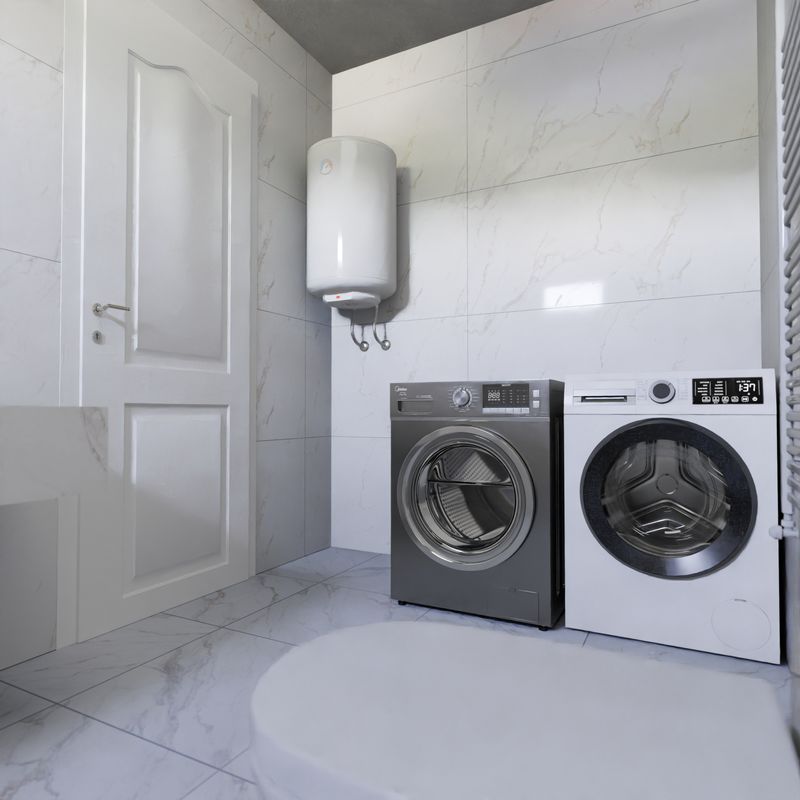
An electric water heater in McDonough is a simple machine with a short list of likely faults. Most problems come down to a heating element, a thermostat or the sediment in the tank, and each leaves a recognisable pattern: lukewarm water, hot water that runs out fast, or no heat at all.
Call and describe what you see, and we connect you with an experienced local pro. You hear the options and the upfront price before any work begins. This page explains the usual repairs and when replacement makes more sense, with no electrical steps for you to try.
How an electric water heater works

Most electric tank heaters have two heating elements, one near the top of the tank and one near the bottom, each controlled by its own thermostat. The upper element heats first so you get usable hot water quickly, then the lower element finishes the job. A high-temperature limit switch acts as a safeguard.
Because the two elements share the work, losing one does not always mean losing all hot water. It often means less of it, or lukewarm water, which is why the symptoms vary.
Electric water heater element replacement and thermostat repairs
Heating elements and thermostats are the usual repairs, and both are standard parts that a pro can replace on a sound tank. Electric water heater element replacement is typically a routine job when the rest of the heater is in good shape.
| Symptom | What it often points to |
|---|---|
| No hot water at all | Both elements out, a failed thermostat, or a tripped limit that points to a deeper cause |
| Lukewarm water | One element out, or a thermostat that has drifted |
| Hot water that runs out fast | A lower element out, sediment, or a heater that is too small |
| A reset that keeps tripping | A fault the pro needs to find, not a button to keep pressing |
The pro tests the elements and thermostats with proper tools and tells you what failed. Nothing here is a step for you to try. If you suspect an electrical issue, leave electrical controls alone and call.
Heater not heating? Describe the symptoms to a person who has seen them before.
Describe the problem, we'll dispatchElectric water heater not heating, or running out fast
When an electric water heater is not heating properly, the pro works from the common causes to the less common ones. Parts come first, then the tank, then the household's use of hot water.
Sediment collects at the bottom of the tank and covers the lower element, which makes it work harder and wear out sooner. Water here is generally on the soft side, so scale is moderate, but sediment still builds. A failing dip tube lets cold water mix with the hot at the top, which shortens the supply. A heater that is too small for the household can also behave as if it were broken.
If you are also seeing water around the unit, that is a separate and more urgent problem, covered under water heater maintenance for routine care, and it is a call-now situation if the water keeps coming.
What the pro checks on an electric heater
The pro starts with questions, then moves to the heater. Knowing the order helps you answer the way the call goes.
- When the problem started, and whether it was sudden or gradual.
- Whether the symptom is no hot water, lukewarm water or hot water that runs out fast.
- The model, the age and the size of the tank, from the label.
- The condition of the tank and its connections, including any water or rust around the base.
- The elements, the thermostats and the limit switch, tested with proper instruments.
- Sediment, and whether the heater is the right size for the household today.
That is the routine for any electric water heater in McDonough. Only after the checks does the pro explain what was found, what the options are and the upfront price of each, and if a repair is not worth it, you hear that too.
Heat-pump water heater: an option when you replace
A heat-pump water heater is an electric option that moves heat from the surrounding air into the water rather than heating it directly with elements. It can suit the right home, but it needs open space and airflow around the unit, and it needs a way to drain condensate. A cramped closet is usually the wrong place for one.
If you have an all-electric home and room to spare, ask the pro about it. The pro explains the trade-offs, including space, noise and installation needs, without promising savings figures, and leaves the decision to you.
Repair vs replace on an electric unit
A sound tank with a failed element or thermostat is normally worth repairing. A tank that has begun to leak, a heater that has had several faults in a row, or one that is clearly worn out points toward replacement.
If replacement is the answer, the pro goes through size, recovery and placement with you. Our page on water heater installation sets out the process, and a tankless water heater is another route, though electric tankless units draw a large load and the home's capacity is checked first.
Routine care keeps a tank in shape. The pro can explain what is worth doing on yours.
Electric water heater in McDonough homes: where it sits
Many recent McDonough builds are all-electric, so an electric water heater in McDonough is the norm in newer subdivisions. It usually sits in a garage, a utility closet or an attic, and each location brings its own considerations: reach, space around the tank and what is below if it leaks.
The 2010s slab homes off Lake Dow Road in water heater repair in Bridleridge typically keep the heater in the garage or a closet. The late-2010s homes in water heater repair in Clearwater Pointe often have three-car garages, which gives the heater room but not necessarily a clear route for a leak to drain.
Older in-town homes more often have gas, so an electric heater there may have been added later, sometimes in a closet or crawl space. The pro asks where yours is and plans accordingly.